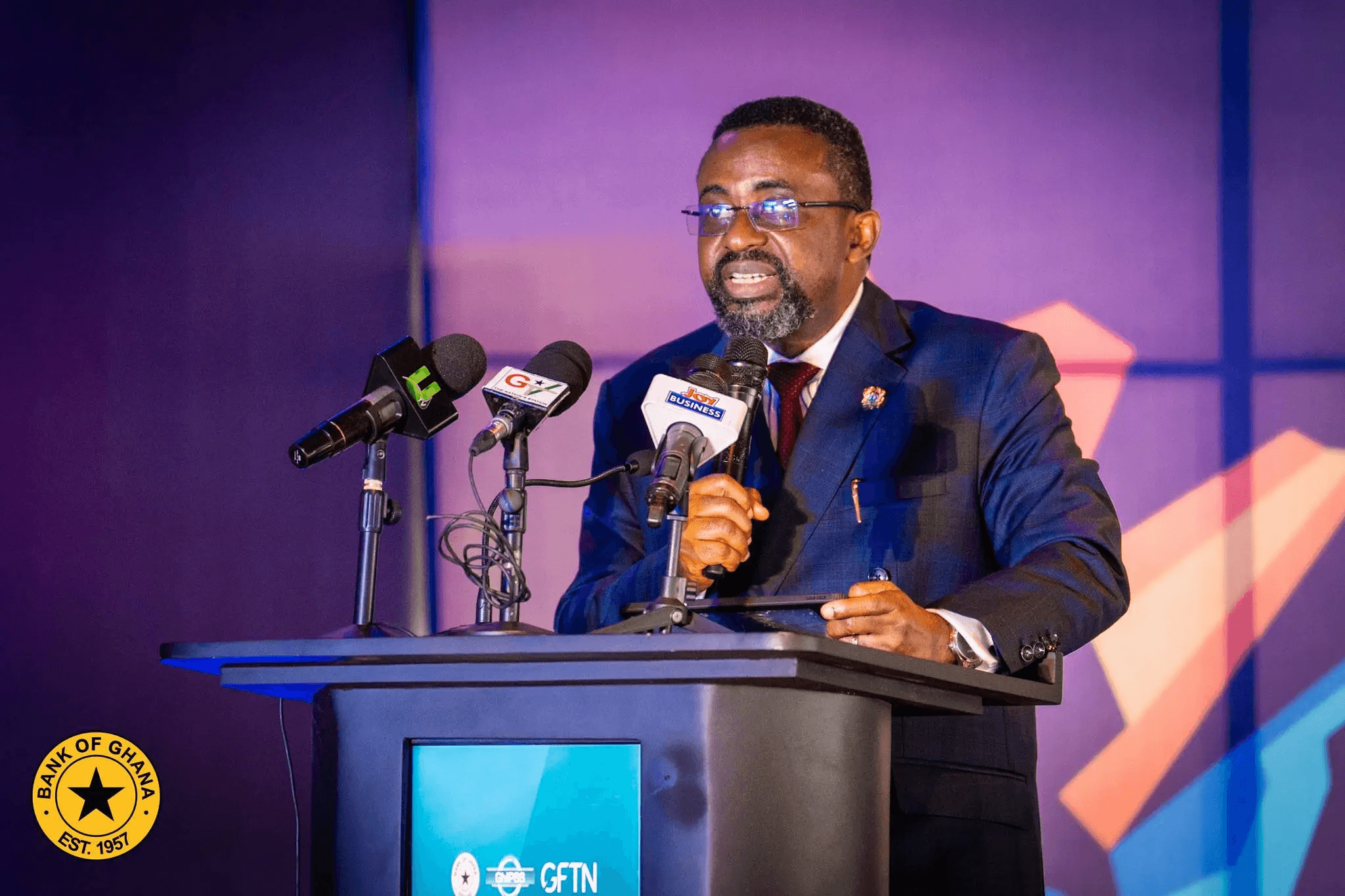
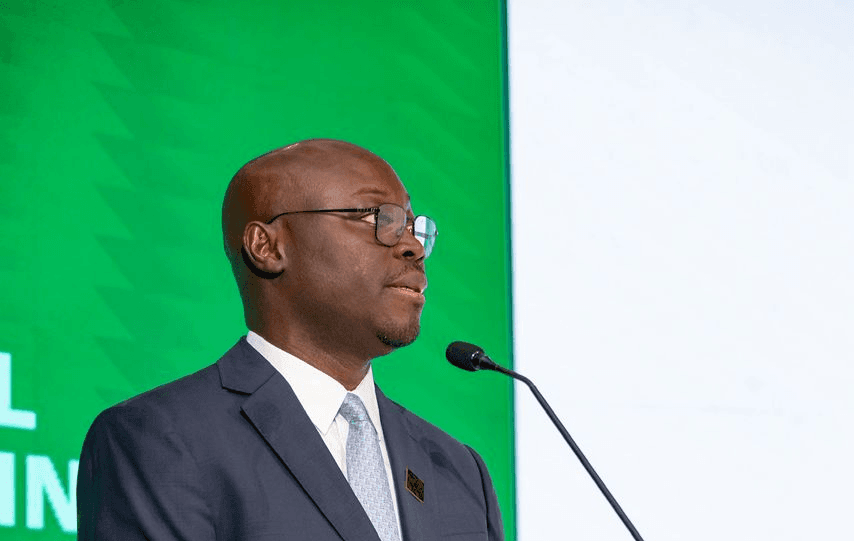
Finance Minister Cassiel Ato Forson and Bank of Ghana Governor Johnson Asiama are leading Ghana's delegation to the 2026 IMF-World Bank Spring Meetings in Washington from 13 to 19 April. The delegation includes senior Ministry of Finance and BoG officials, members of Parliament including Public Accounts Committee Chair Abena Osei Asare, civil society groups, and independent economists.
The scheduled engagements include bilateral discussions with senior IMF and World Bank management, investor briefings, ministerial meetings, and a sovereign debt roundtable. Ghana is on course to exit the IMF's Extended Credit Facility in August 2026, three years after the programme began.
What the delegation is selling
The macro story Ghana is taking to Washington is genuinely strong. Moody's revised the outlook to positive on 11 April. S&P affirmed at B-/B stable on 8 April. Inflation has fallen to 3.2 percent from 23.5 percent fifteen months ago. The policy rate is at 14 percent after 1,500 basis points of easing. Reserves sit at approximately $14.4 billion. The first domestic bond since the DDEP was oversubscribed at GH¢2.7 billion. Gold exports hit $20 billion in 2025, buffering the external position.
The delegation's stated goal is to advocate for a fairer global financial architecture that reflects the needs of emerging and developing economies. In practice, the investor briefings will be about whether Ghana can maintain fiscal discipline through the IMF programme exit and into the post-programme period without backsliding.
What the delegation is not talking about
The T-bill market has missed its target for four consecutive weeks, with the 91-day rate 909 basis points below the policy rate. COCOBOD carries GH¢32.9 billion in debt with negative equity. Explorco has not accounted for $561 million in petroleum revenue. The World Bank warned this week that Ghana has very little fiscal space to absorb the Gulf shock.
The Spring Meetings are dominated by the Middle East conflict. Afreximbank's $10 billion Gulf Crisis Response Programme and the set the institutional context. Ghana's delegation arrives with a strong reform story and an open question about whether the reform survives the external environment.