The World Bank's April 2026 Africa Economic Update warns that Ghana is among the African economies most exposed to Middle East conflict escalation, with limited fiscal space to absorb the impact.
Chief Economist for Africa Andrew Dabalen said there is very little scope for these countries to deal with this crisis because they do not have a lot of fiscal space.
The assessment sits alongside the Bank's revised sub-Saharan Africa growth forecast of 4.1 percent for 2026, down 0.3 percentage points from the October projection.
Ghana's own forecast stands at 4.8 percent, a planned deceleration from 6.0 percent in 2025. Median inflation across the continent is projected at 4.8 percent, up from 3.7 percent in 2025.
The exposure channels
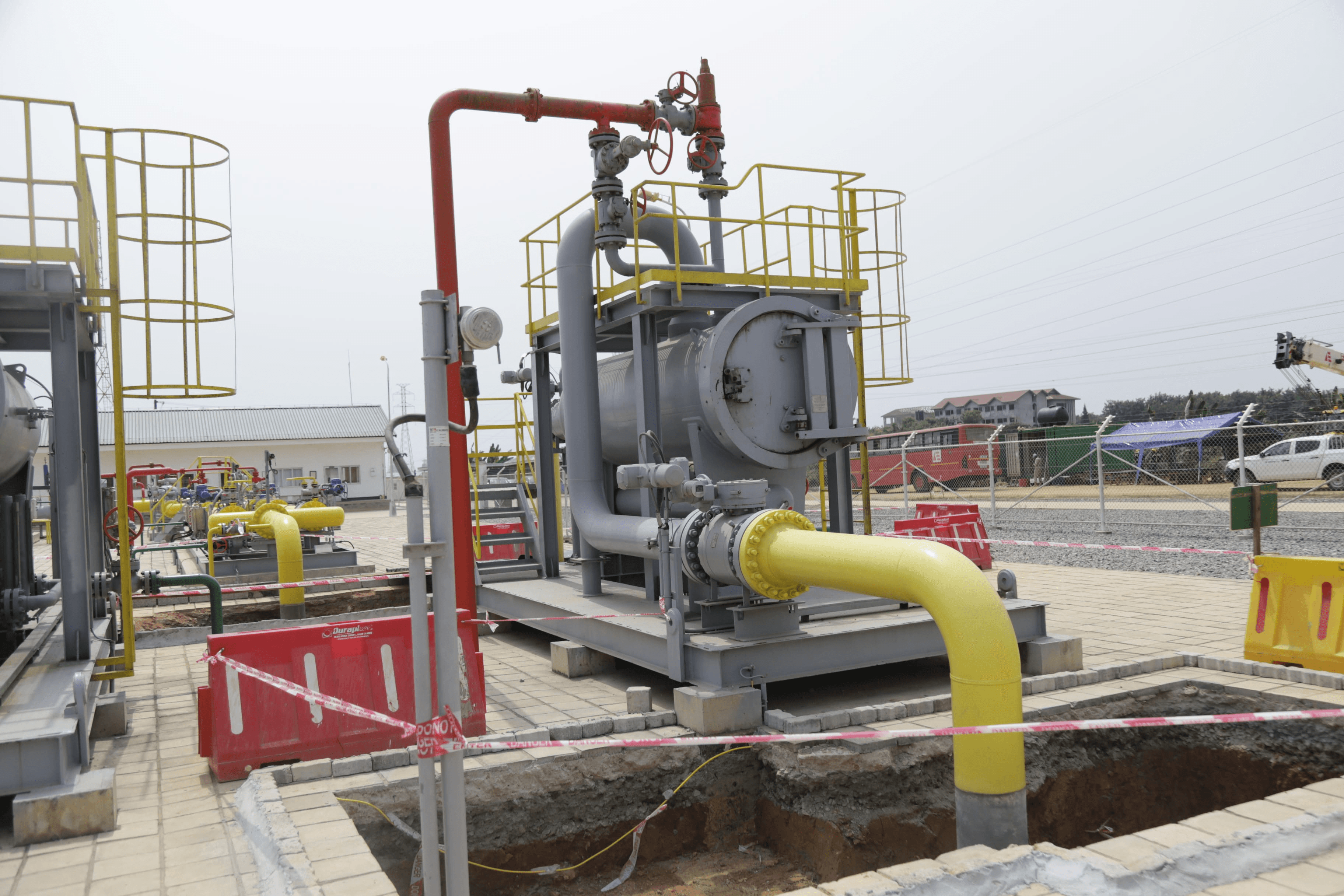
Ghana imports approximately 70 percent of its refined fuel. Pump prices rose 8 to 11 percent in early March after the conflict escalated. The government's emergency Cabinet intervention on 9 April directed temporary fuel tax and levy cuts, but the structural import dependency remains.
The food channel is sharper than the fuel channel. Ghana imports 100 percent of its wheat, with annual consumption estimated at 865,000 metric tonnes. Roughly one-third of global fertiliser exports pass through the Strait of Hormuz. Urea prices surged approximately 46 percent between February and March 2026. President Mahama directed free fertiliser distribution for 2026, replacing the subsidy programme, but national demand of 426,307 tonnes against 200,000 tonnes supported in 2025 means rising global prices increase the cost of that commitment.
Remittances add a third channel. Ghana received approximately $3.09 billion in remittances in 2025, representing 3.7 percent of GDP. Ghanaian nationals work across the UAE, Qatar, Bahrain, Kuwait, and Saudi Arabia. A prolonged conflict could compress GCC employment, disrupt banking corridors, and reduce the flows that support household consumption and current account stability.
The Fitch disagreement
The World Bank's warning runs in a different direction from Fitch's assessment that Ghana's oil trade position is close to net neutral and the economy is relatively insulated. Fitch emphasises gold exports at $20 billion in 2025 and the Tema Oil Refinery restart as offsetting factors. The World Bank acknowledges gold but focuses on the inflation pass-through, the structural fuel import dependency, and the limited fiscal room.
Both are correct about different things. Gold is buffering the trade balance. Fuel imports are transmitting cost pressure. Whether the buffer holds depends on how long the Strait of Hormuz remains restricted and whether global commodity prices normalise before the fiscal space runs out.
Bank of Ghana Governor Johnson Asiama has been direct. He described the prospect of a prolonged conflict as something that keeps him awake and said the net balance of risks from the external shock is inflationary. The March MPC decision to cut the policy rate to 14 percent passed 5-to-1, with one member preferring to hold over precisely these global risk concerns.
The fiscal arithmetic
The 2026 budget was built on a crude oil benchmark of $76.22 per barrel. With actual prices exceeding $100 for much of March, the government accrued windfall crude export revenue of more than GH¢8 billion. But that windfall is offset by higher import costs and the revenue forgone from the temporary fuel levy cuts. The IMF programme targets a primary balance surplus of 1.5 percent of GDP. Critics, including Dalex Finance CEO Joe Jackson, have warned that broad fuel tax cuts risk undermining the revenue consolidation the programme requires.
Approximately 23 sub-Saharan African countries are in or near debt distress, 21 of them low-income. Ghana exited its debt crisis through the DDEP and Eurobond restructuring but the T-bill undersubscription streak shows domestic financing is already under pressure. Adding an external commodity shock to a budget with limited headroom is the scenario the World Bank is flagging.