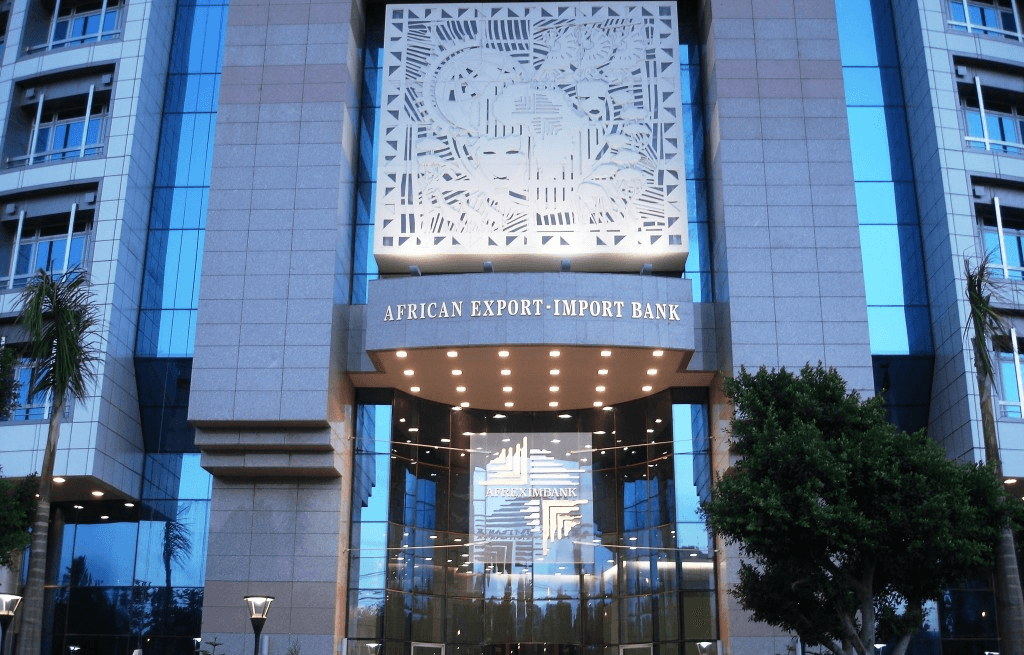
$10 billion. That is the size of Afreximbank's Gulf Crisis Response Programme, approved by the bank's board on 7 April and already deploying.
It is the institution's largest-ever crisis intervention — roughly 3.3 times the initial $3 billion PATIMFA facility the bank launched during COVID in 2020.
The programme covers four pillars. Short-term foreign exchange and liquidity support for fuel, LNG, food, fertiliser, and pharmaceutical imports. Pre-export finance and working capital for African energy and minerals exporters positioned to capture rerouted trade flows. Relief for tourism and aviation across Africa and the Caribbean. And medium-term infrastructure acceleration for energy, port, and logistics projects delayed by the conflict.
No granular breakdown per pillar has been published. The $10 billion is the total envelope.
The crisis it responds to
On 28 February, the United States and Israel launched coordinated airstrikes on Iran under Operation Epic Fury. Iran closed the Strait of Hormuz on 4 March. Roughly 20 percent of the world's oil and natural gas transits the strait in normal conditions. Over 90 percent of that flow has been disrupted. Brent crude surged past $120 per barrel.
The International Energy Agency has called it the largest supply disruption in the history of the global oil market. Oil prices are up approximately 45 percent since late February. Gas prices up 55 percent. Fertiliser up 35 percent. A temporary ceasefire was agreed on 8 April but the strait has not fully reopened.
Roughly 40 of Africa's 54 countries are net hydrocarbon importers. Twenty-nine African currencies have weakened since the crisis began. The IMF expects balance-of-payments support demand to rise by $20 billion to $50 billion. The African Development Bank projects the conflict could cut Africa's 2026 GDP growth by 0.2 to 1.5 percentage points depending on duration.
Afreximbank's capacity
The bank posted FY2025 results on 9 April: total assets and contingencies of $48.5 billion, up 21 percent. Net income of $1.2 billion. Shareholders' funds of $8.4 billion. Cash of $6 billion. The $10 billion GCRP represents approximately 21 percent of the balance sheet — a large commitment relative to size, but the liquidity position is strong enough to support it.
President George Elombi, who succeeded Benedict Oramah in October 2025, said the programme is designed to help African countries adjust while strengthening resilience to future shocks.
The Caribbean is included because 13 CARICOM member states have acceded to the Afreximbank Partnership Agreement. The bank has a CARICOM office in Barbados and has committed more than $2.5 billion in financing to the region in under two years.
The Ghana exposure
Petrol is up approximately 15 percent to GH¢13.30 per litre. Diesel up 19 percent to GH¢17.10. No Ghana-specific allocation from the GCRP has been announced.
But Ghana is a net importer of refined petroleum products, and the price transmission from the Gulf to the pump has already arrived.
The Cabinet fuel tax intervention announced on 9 April was the first policy response.