Fitch Ratings assessed in its "African Banks in Iran War Scenario" report that Ghana's oil trade position is close to net neutral in the near term.
The finding means the banking sector will not receive a foreign currency boost from higher energy prices, but equally will not face an acute FX drain from surging import costs. For a country that is both an oil producer and a net importer of refined petroleum, the balance has tipped toward equilibrium.
The assessment matters because Fitch's framework links sovereign ratings to bank ratings through the government securities these banks hold. A net-neutral oil trade position means no sovereign rating movement from the oil shock, and therefore no transmission to bank ratings.
Why neutral: two offsetting forces
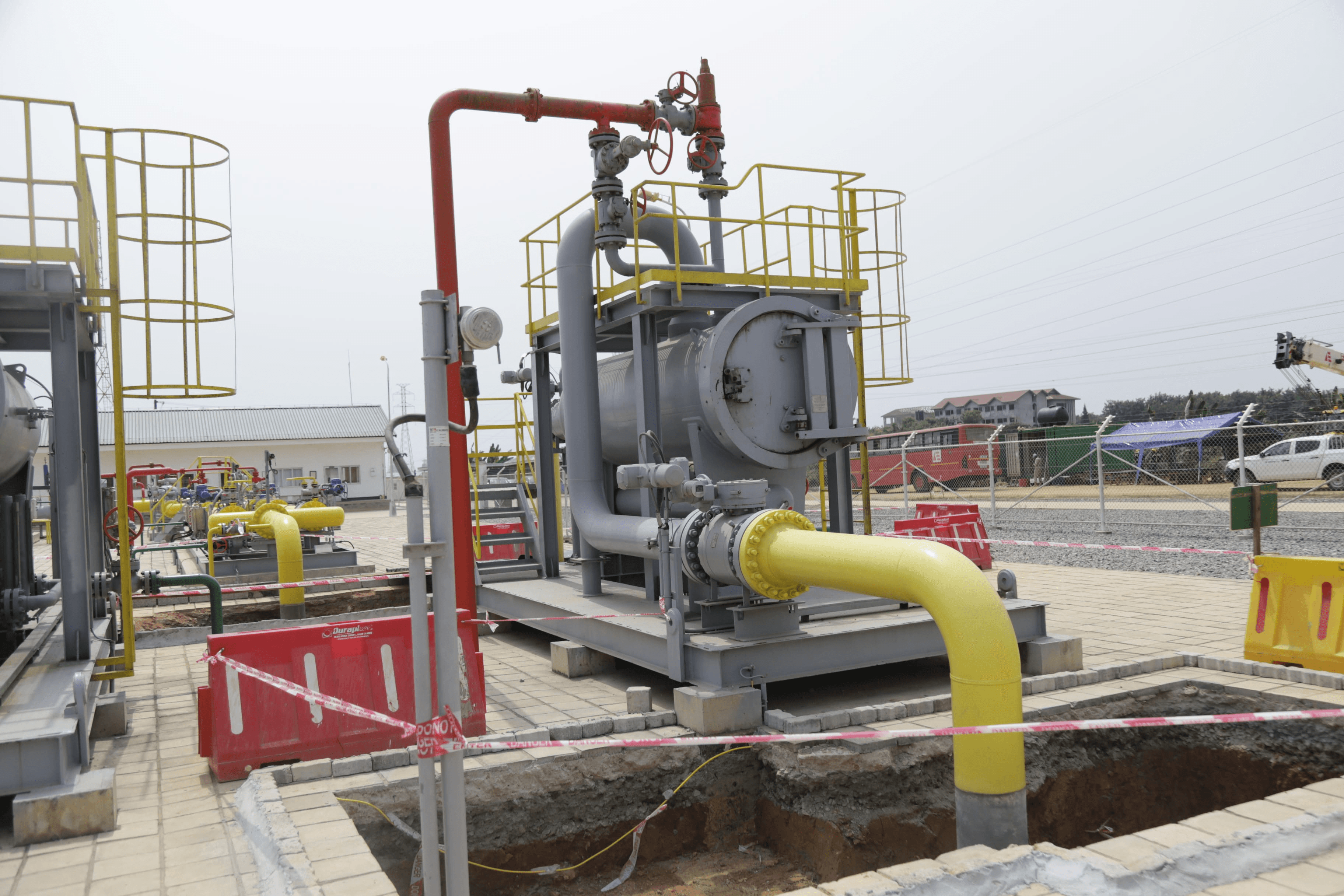
Crude oil production has declined for six consecutive years, from a peak of 71.4 million barrels in 2019 to 37.3 million barrels in 2025. Jubilee produced an average of 63,462 barrels per day, down over 30 percent from 2024. Sankofa-Gye Nyame fell 3.6 percent. TEN dropped 14 percent. Intermittent shutdowns, water injection shortfalls, and maintenance overruns are the proximate causes.
On the import side, the oil bill fell from $10.2 billion in 2024 to $3.7 billion in 2025. The Tema Oil Refinery resumed crude refining on 19 December 2025 after years of inactivity, currently processing 28,000 barrels per stream day with a target of 45,000. Domestic refining capacity reduces the refined import bill and pushes the net trade position closer to balance.
The result: petroleum revenue fell 43 percent to $770.3 million in 2025, but the import bill fell faster. The two lines are converging toward zero.
Gold is the actual story
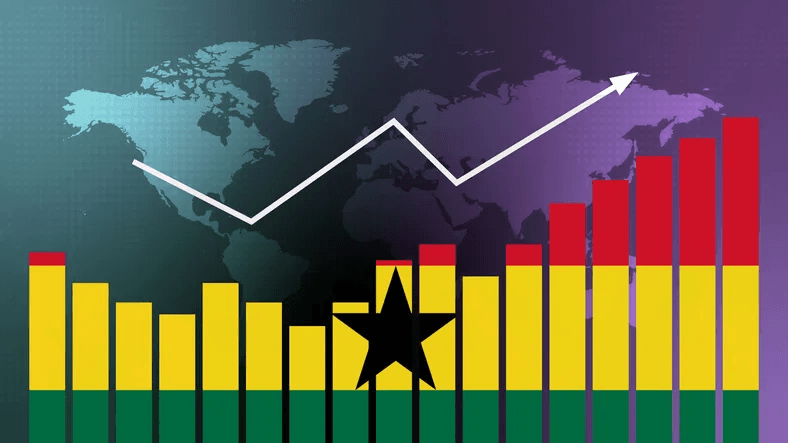
Gold exported $20 billion in 2025, nearly double the $10.3 billion in 2024. Gold now accounts for approximately 75 percent of merchandise exports.
Total merchandise exports reached $31.1 billion, up from $19.1 billion. Foreign exchange reserves climbed to approximately $14.4 billion to $14.8 billion by Q1 2026, providing 5.8 to 6 months of import cover.
Fitch Solutions, the research arm, projects a current account surplus of 4.2 percent of GDP for 2026 — a reversal from the chronic deficits recorded between 2010 and 2024. The same unit revised Ghana's 2026 GDP growth forecast down marginally to 5.5 percent from 5.9 percent, and raised the average inflation forecast to 7.8 percent from 7.3 percent, both reflecting oil-driven pass-through effects from the Strait of Hormuz disruption.
The comparative picture
Nigeria benefits from higher prices and increased output — Fitch marginally upgraded its 2026 GDP growth to 4.4 percent, though inflation is now forecast at 15.5 percent. Angola benefits passively through price but has not increased production. Senegal, at the fragile end, was downgraded four notches by S&P to CCC+ in March, with gross financing needs at 26 percent of GDP and a suspended IMF programme.
Ghana sits in the middle: not an oil winner, not an oil casualty. The gold buffer is doing the work that oil used to do.
Whether that remains true depends on how long the Gulf disruption persists and whether the J-74 well and the Noble Venturer drilling campaign — targeting an additional 10,000 barrels per day — can arrest the six-year production decline.