MTN Ghana CEO Stephen Blewett told the company's Accra Media and Stakeholder Forum on Friday that 157 network sites are currently degraded by fibre-optic cable damage, describing it as the company's single most serious operational challenge.
A single cut does not affect one location. Fibre routes serve multiple sites. When a cable is severed, it can take down several base stations at once, cascading the disruption across multiple suburbs and affecting households, businesses, hospitals, and emergency services simultaneously.
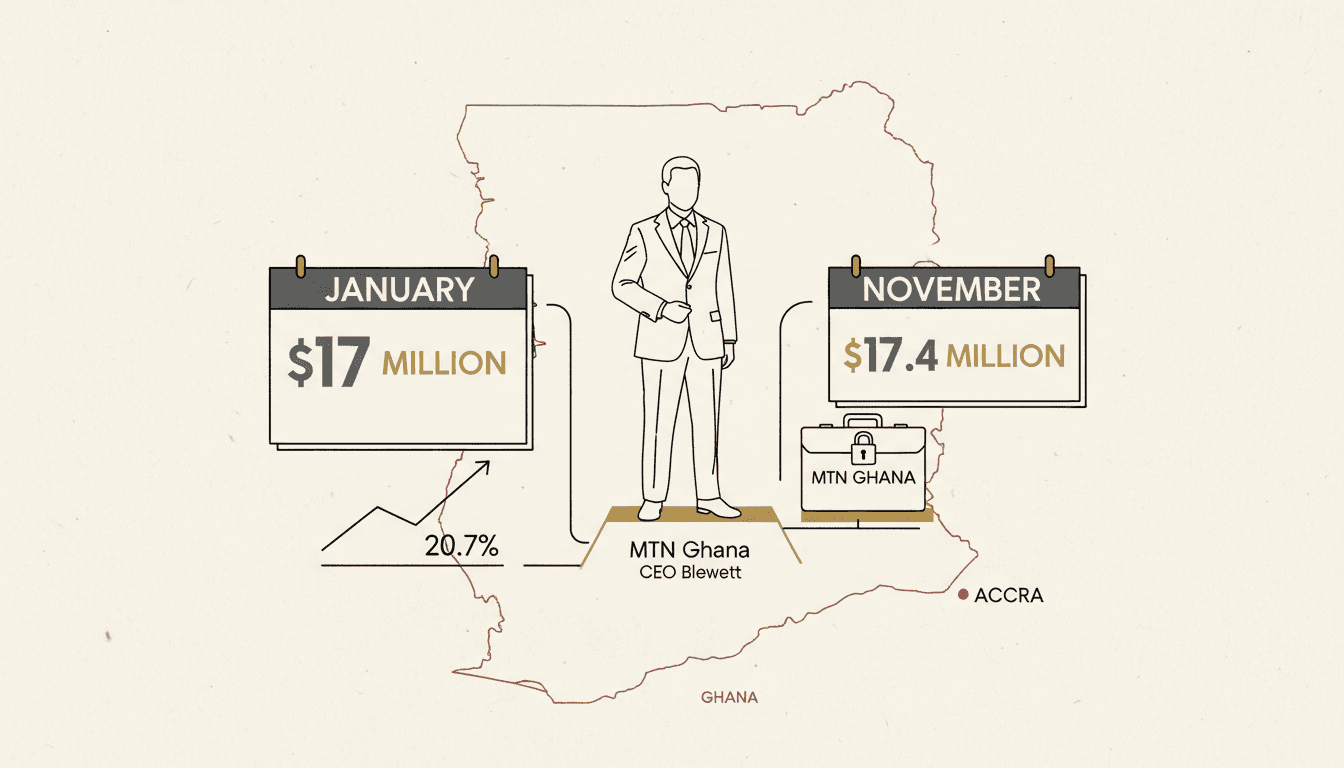
The 157-site figure is a snapshot of a structural problem. Between January and November 2025, the telecommunications industry recorded 10,233 fibre-optic cable cuts across Ghana. The repair cost reached $17.4 million, averaging $1,639 per incident. MTN alone recorded 211 cuts across the Bono, Bono East, and Ahafo regions in that period, with Goaso, Mim, Sampa, and Drobo severely affected. 77 telecom poles were stolen and replaced in one year.
Who is cutting the cables
Road construction accounted for 20.7 percent of cuts in 2024. Theft and vandalism accounted for 14 percent. Private developer activity accounted for 13.4 percent. The rest is a mix of farming activity, natural damage, and unidentified causes.
The deliberate sabotage category is the one that has escalated from a maintenance problem to a security concern. MTN has reported a pattern in which criminals intentionally sever fibre cables in targeted communities to create communication blackouts. With mobile and data service down, residents cannot call for help or report incidents. The blackout window is then used for armed robbery.
This is not infrastructure vandalism for scrap value. It is tactical disruption of communications to enable violent crime.
What MTN wants
Blewett called for fibre-optic cables to be classified as Critical National Infrastructure with stricter legal penalties for damage. The Ghana Chamber of Telecommunications is pushing for a specialised court to prosecute cable-cutting offences. Neither has been enacted.
The classification matters because fibre is not just MTN's commercial asset. It carries the mobile money transactions, the bank-to-bank transfers, the emergency calls, and the internet connections that run on top of it. When 157 sites go down, the infrastructure that MMFL's 19.3 million MoMo users depend on for cash-in, cash-out, and payments goes down with it.
The request has been on the table for years. The fibre cuts have not stopped. 10,233 in 11 months is roughly 31 per day.