Haco Industries, the Kenyan personal care and home care manufacturer, will begin operations in Ghana by end of April through a joint venture with an undisclosed Ghanaian firm, managing director Mary-Ann Musangi confirmed. Nigeria and Senegal are next.
The model is deliberately lean.
Haco will not build a factory in Ghana. The Ghanaian partner handles distribution. Haco supplies the products, manufactured at its Kasarani plant in Nairobi, using raw materials sourced partly from the same region it is selling into. The company buys shea butter from Ghana and Uganda, argan oil and jojoba from North Africa, and moringa, coconut, and baobab oils from Kenya. No natural oils are sourced from outside the continent.
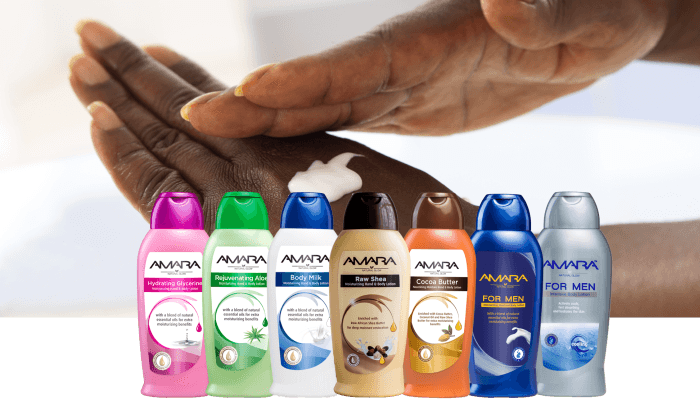
The product range coming to Ghana includes Amara and Miadi in personal care, So Soft, Sparkle, and Ace in home care, and toy lines manufactured under a Mattel licence. Haco employs 225 people and reported approximately $8 million in annual revenue in 2025.
The backstory
Haco was founded in 1974 by Kenyan industrialist Chris Kirubi as a single-product manufacturer.
Kirubi built it into one of East Africa's largest FMCG operations, distributing across the East African Community and COMESA markets. In 2008, South Africa's Tiger Brands acquired a 51 percent stake for approximately KSh 363 million. When the two partners disagreed on strategy, Kirubi bought the shares back at a premium. The buyback was the turning point that kept Haco Kenyan-owned.
Kirubi died in June 2021 and bequeathed 80 percent of his estate, valued at approximately KSh 40 billion ($350 million), to his children Mary-Ann and Robert Kirubi. Musangi had been managing director since February 2019, appointed as her father's health declined.
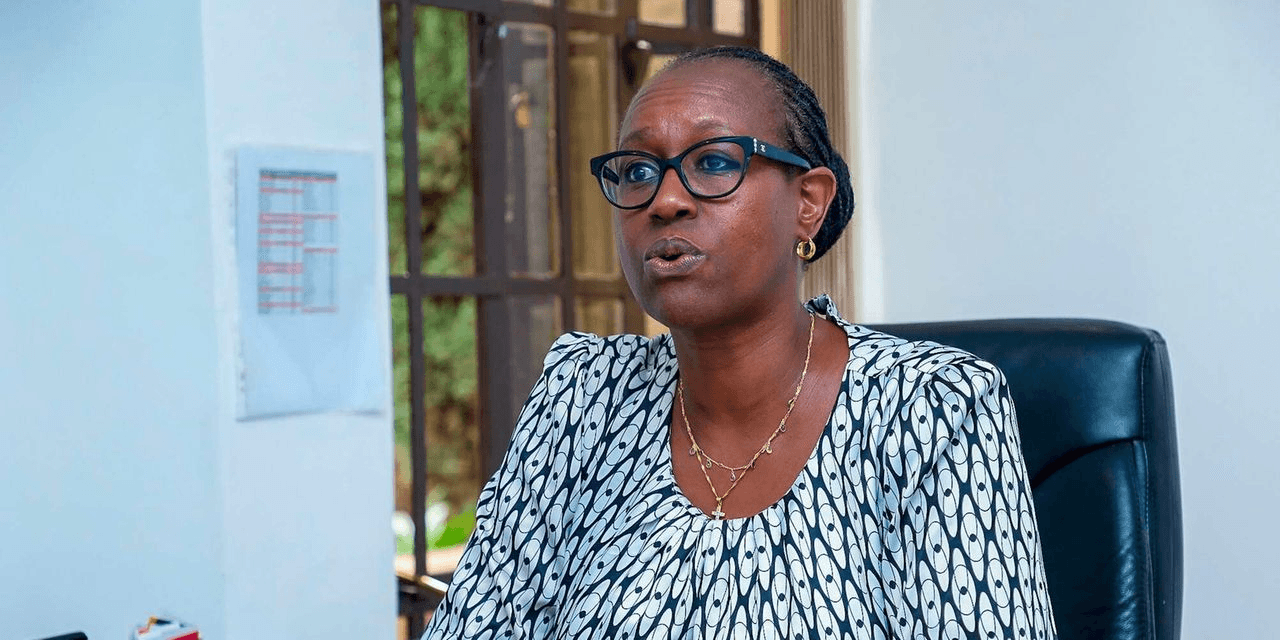
Under her leadership, Haco shifted from contract manufacturing to localised production, built an in-house R&D department, and commissioned a solar-powered plastics plant.
In March 2026, Haco won the Circular Economy Leader award at the Kenya ESG Awards. Musangi was named Woman Industrialist of the Year at the 2025 WIM Awards.
What the Ghana entry signals
The joint-venture model is the signal worth reading. Haco is not investing in manufacturing capacity in Ghana.
It is testing whether a Kenyan FMCG brand can build a distribution footprint in West Africa without the capital expenditure of a factory. If the JV works, the same structure can be replicated in Lagos and Dakar without Haco carrying fixed costs in each market.
The shea butter loop is the detail that makes the story specific to Ghana.
Haco already sources shea from here. Now it is selling finished products made partly from that same shea back into the Ghanaian market. The raw material flows east to Nairobi. The finished product flows west to Accra.