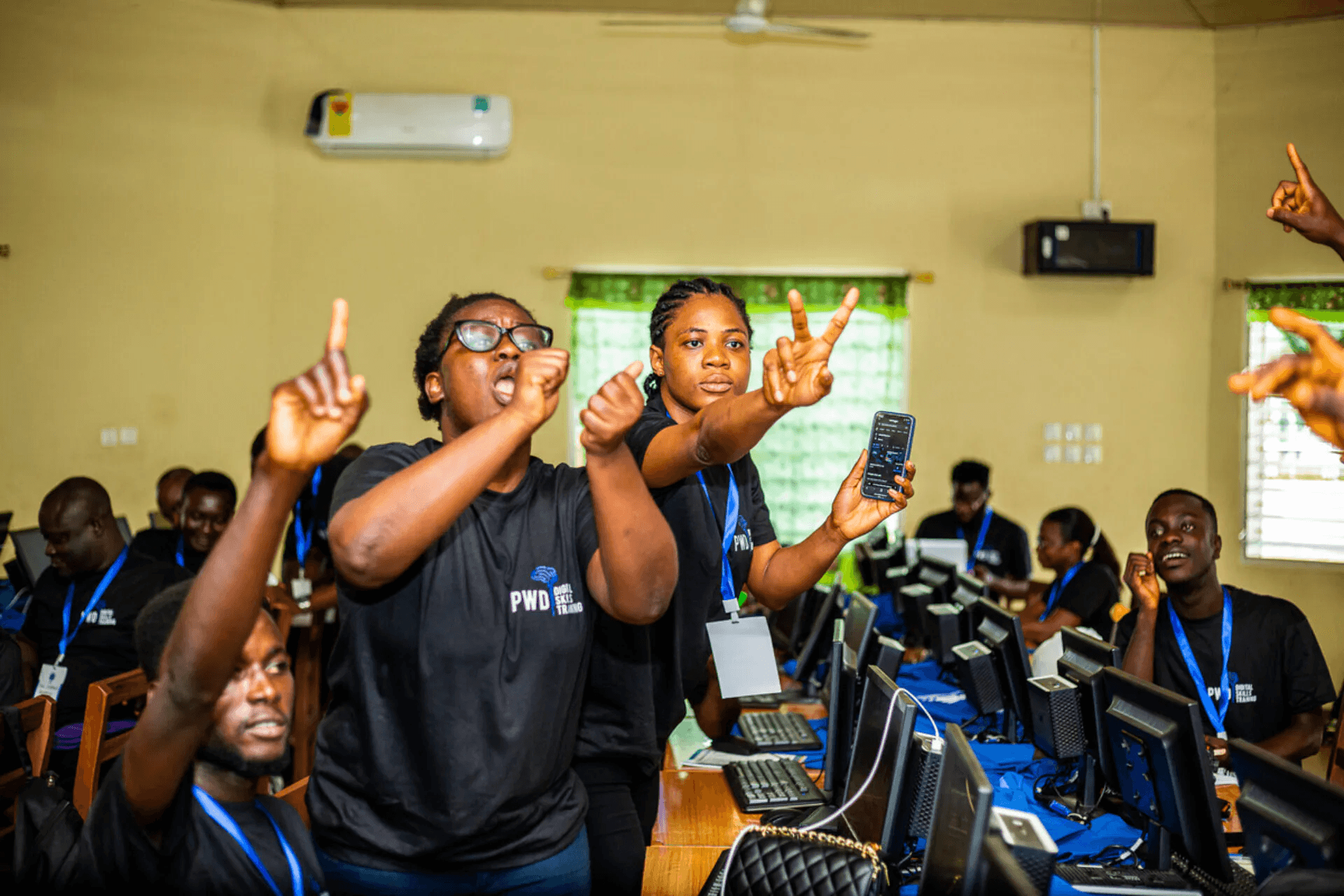

Digital payments grew 53.8% in a single year. From GHS 2.7 trillion to GHS 4.1 trillion. A structural change in how money moves through the economy.
The woman selling waakye at Madina Zongo Junction accepts Mobile Money in the most native way possible; once she is done wrapping up your food, she hands it over and without looking up at you ask, "Momo?". If you respond affirmatively, she just points at the number on her makeshift container and proceeds to serve other customers.
My favourite spare parts dealer in Abossey Okai now has his prices listed on a WhatsApp Business catalog that I can reference before I get into bargaining for a discount on the price of the fender for my Benz. Somewhere, I know a farmer has received payment for a shipment through a mobile wallet he set up at an MTN office two years ago. None of them would describe what they do as technology but all of them depend on it.
Data services now generate 53.72% of telecom revenue in Ghana, surpassing voice for the first time. I read a breakdown from TechCabal that highlighted that Ghana is now MTN Group's most "valuable" market based on average revenue per user. I haven't looked further into the numbers but I can make an educated guess that this will surely be driven by a higher data consumption and Mobile Money usage.
When an economy's communication infrastructure earns more from data than from talking, the nature of commerce has changed and businesses that cannot operate digitally are operating in a different economy than the one their customers inhabit.
Mobile money penetration sits at 67%. Over 80% of adults have used the service. There are 26.3 million internet users, which puts penetration at 74.6%. These numbers describe a population that adopted digital tools before most of the institutions around them did. The people moved first. Policy, regulation, and business infrastructure are following at varying speeds.
Consider what this means for a mid-size manufacturer in Tema. Five years ago, their sales process was phone calls and purchase orders. Today, their customers expect digital invoicing, mobile payment acceptance, and real-time delivery tracking. The manufacturer did not decide to become a technology company. The market decided for them. The ones who adapted kept their customers. The ones who did not are learning that loyalty has a shelf life when convenience is available elsewhere.
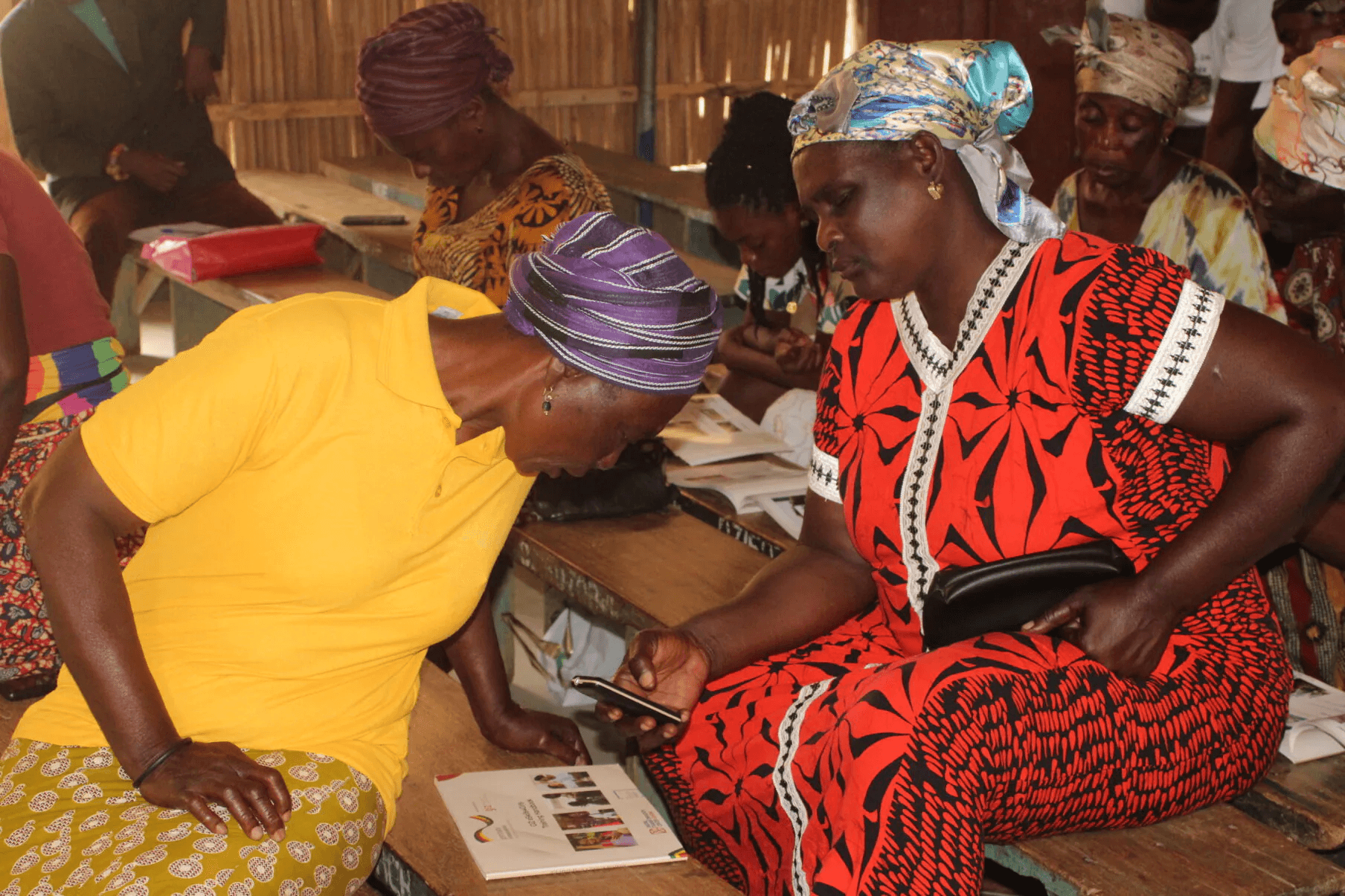
This shift has consequences that extend beyond individual businesses.
Tax collection changes when transactions are digital. The GRA can see flows that were previously invisible. Informal businesses that operated entirely in cash now leave data trails. This is good for revenue mobilisation, but it also raises questions about how quickly the tax system can process what it now has access to, and whether the burden falls evenly.
Credit assessment changes. A trader with two years of MoMo transaction history has a financial profile that did not exist before. Banks and fintechs are beginning to use this data to underwrite loans. The quality of those decisions depends on the models, the data integrity, and the willingness of regulators to let new approaches compete with old ones.
Employment changes. Every business that goes digital needs someone who understands the tools. Not necessarily a software engineer, but someone who can manage a POS terminal, troubleshoot a connectivity issue, update an inventory system. The skills gap is not just at the top of the pyramid. It runs through the middle, where most of the economy actually operates.
The infrastructure question is the one that ties everything together. GHS 4.1 trillion in digital payments moved across a network that still has coverage holes, still experiences downtime, and still charges rates that push some users back to cash for small transactions. Telecel and MTN are spending billions on expansion, but the gap between what the economy demands and what the network delivers remains visible.
Policy has to keep pace too. The regulatory frameworks for digital payments, data protection, and digital commerce were written for an earlier version of this economy. Updating them is the difference between an economy that grows on its digital foundation and one that trips over the cracks in it.