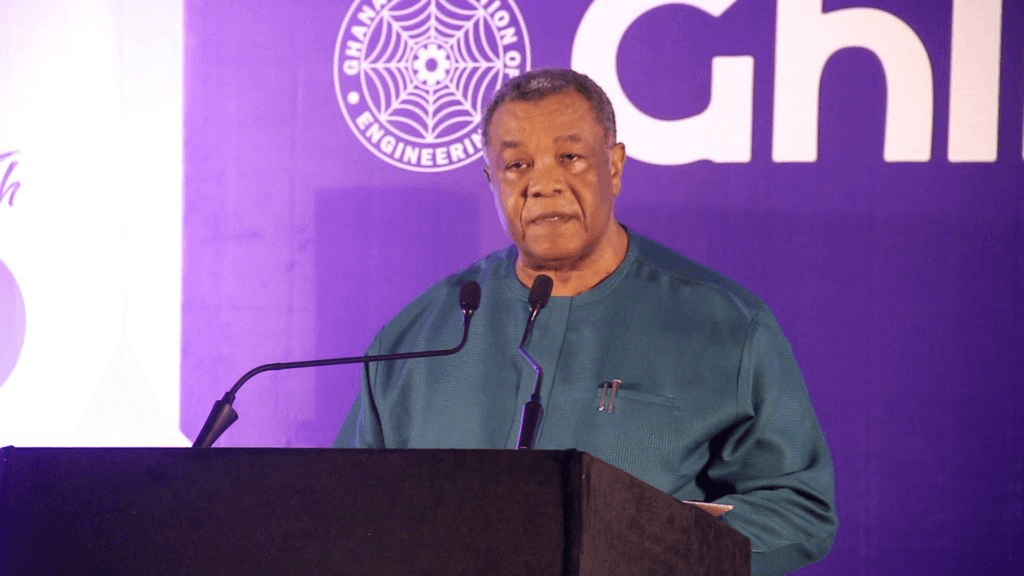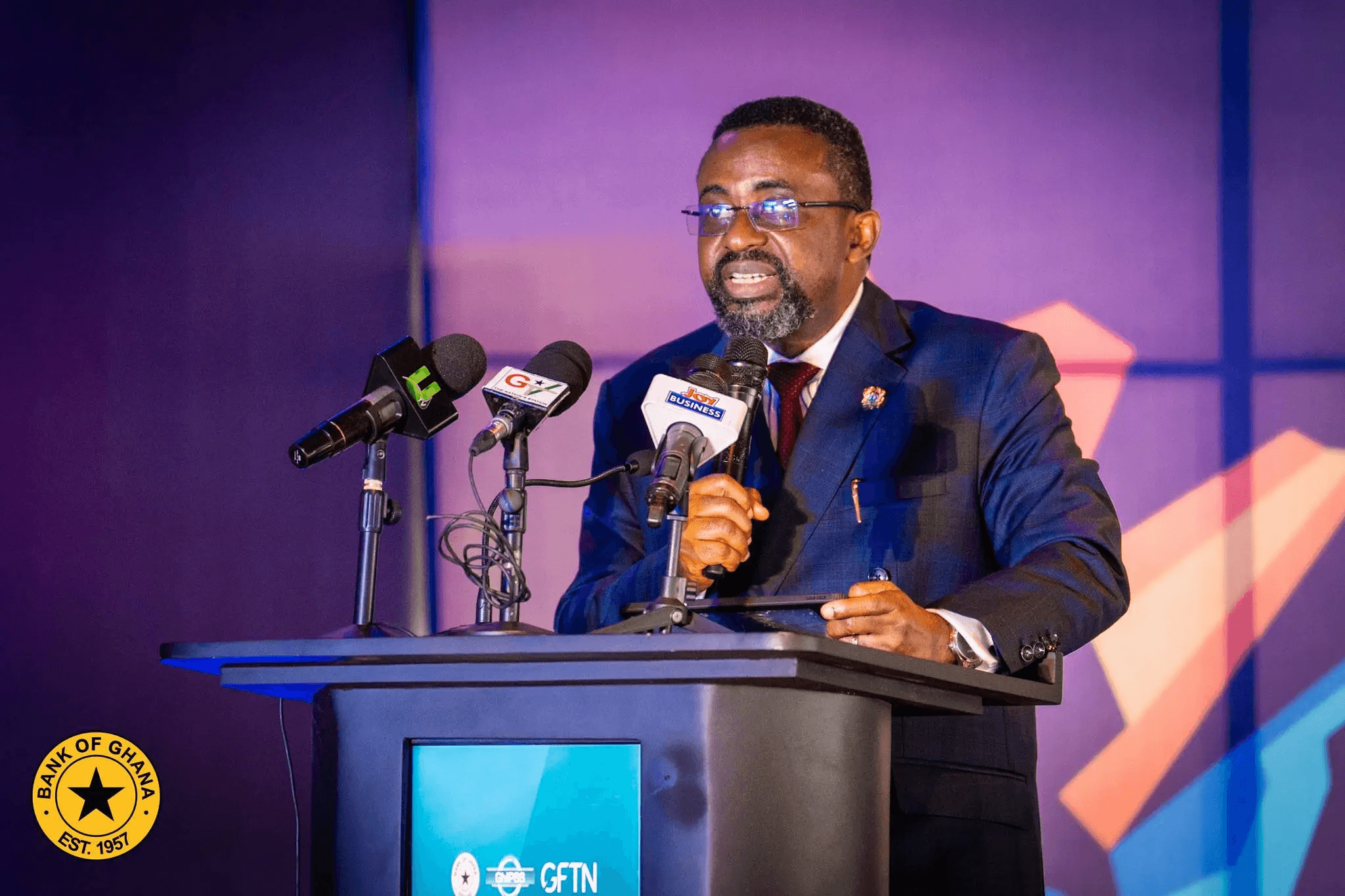
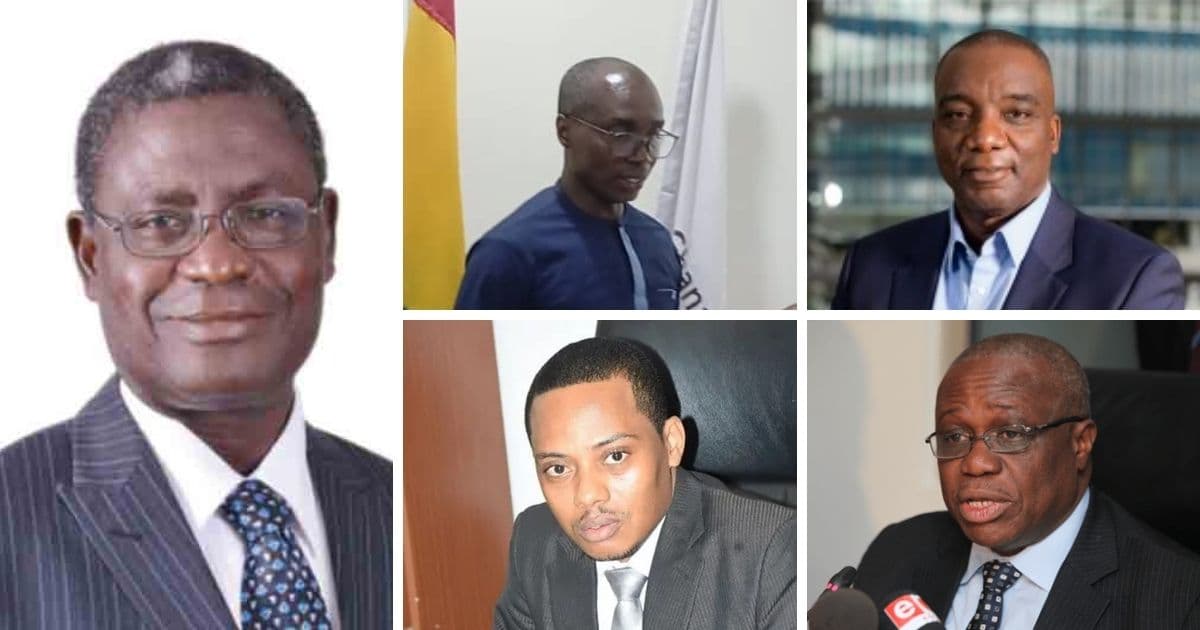
The president has nominated five people to the Fiscal Council. Dr. Emmanuel Oteng Kumah will chair.
The other four are Prof Patrick Opoku Asuming, Leslie Dwight Mensah, J. Kweku Bedu-Addo, and Dr. Henry Akpenamawu Kofi Wampah.
Wampah, the former central bank Governor is being asked to sit in public judgment of the fiscal authority he spent years negotiating with. Bedu-Addo brings prior Ministry of Finance experience. Asuming comes from academia. Mensah represents the research think tank slot. Kumah takes the chair.
The Council is not a new idea.
It was created by the Public Financial Management (Amendment) Act, 2025, Act 1136, which added Section 11D to the 2016 Public Financial Management Act.
That amendment was one of the structural benchmarks the country had to meet under its Extended Credit Facility programme with the IMF.
The programme's logic is that a country that defaulted on its external debt in living memory needs a permanent, statutorily independent voice assessing whether each year's budget is on a sustainable path.
The mandate, on paper, is three things: independent assessment of fiscal policy, transparency in government spending, and a check that economic decisions are grounded in what the Ministry of Finance itself would call sound principles.
The Council will report publicly, though the reporting cadence and the scope of its remit on contingent liabilities and state-owned enterprises have not yet been set out in implementing regulations.
The Fiscal Council sits alongside two other recent fiscal-oversight layers the country now has.
The Bank of Ghana's policy rate decisions remain the most visible macro lever. The disinflation run from double-digit figures to the low threes has been the most public policy win.
The Fiscal Council is the slower, structural piece that is supposed to prevent the next round of debt build-up before it starts.
Two questions follow the nominations.
Whether the Council will be independent in practice, which depends on its staffing, its budget, and whether its reports are allowed to embarrass the sitting finance minister.
The second is how its outputs will interact with Parliament's Finance Committee, the Auditor General, and the existing Public Expenditure Review exercise, all of which already have overlapping fiscal-oversight mandates and none of which prevented the 2022 default.